Turn Your Teaching Expertise Into a Published Book
You have spent years developing courses, conducting research, and mentoring students. A book takes that expertise beyond the classroom — establishing you as a thought leader, advancing your career, and reaching learners you will never meet in person.
78% of academic hiring committees and conference organizers view a published book as the strongest indicator of thought leadership

Why Educators Write Books
The professionals winning in your industry have discovered that a published book is the most powerful business development tool available.
Translate Research Into Public Impact
Build Authority Beyond Your Institution
Create a Lasting Teaching Resource
Open New Revenue and Career Opportunities
What Your Book Could Cover
Every educators book is unique — built from your expertise, your stories, and your frameworks. Here is a sample of what chapters might look like.
Why I Teach: The Moment That Shaped My Educational Philosophy
The Learning Gap: What Traditional Methods Miss and How to Fix It
The Framework: A Step-by-Step System for Deeper Student Engagement
From Theory to Practice: Implementing Research in Real Classrooms
The Assessment Rethink: Measuring What Actually Matters
Technology as a Tool, Not a Crutch: Purposeful Digital Integration
When Students Struggle: Inclusive Strategies for Every Learner
The Future of Education: Where the Evidence Points
These are examples — your book will be structured around YOUR specific expertise, stories, and frameworks.
How It Works
Four steps from expertise to published book. No writing on your part.
Discovery Call
Tell us about your expertise and book vision.
AI Interviews
Up to 15 hours of phone interviews that draw out your best material.
Professional Writing
Chapters written in your voice using Voice DNA technology.
Review & Publish
Review and comment in your author portal, we handle the rest. 100% your copyright.
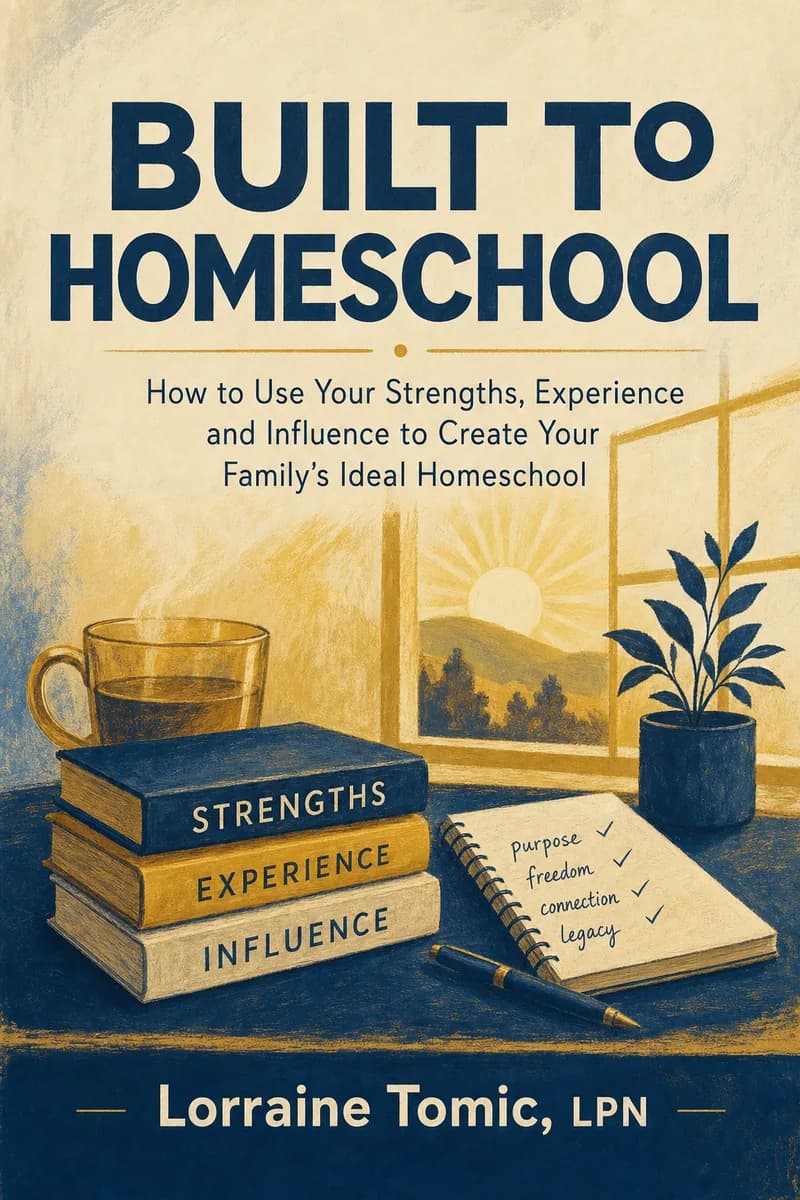
Built To Homeschool
How to Use Your Strengths, Experience and Influence to Create Your Family's Ideal Homeschool
By Lorraine T.Coming soon
Meet our authorsGuides for Educators
Practical reading for educators weighing a book: what it does for your practice and how to get it written.
- How to turn your course into a textbook
- How scientists and academics write for a general audience
- A five-step framework for outlining a nonfiction book
- Self-publishing vs traditional publishing for educators
More on cost and hiring: what a ghostwriter costs and how long a book takes.
Educators FAQ
Common questions from educators considering a book project.
I write academic papers — how is a book different?
Academic papers target peer reviewers. A book targets everyone else — practitioners, parents, administrators, policymakers, and the curious public. Our AI interviews are designed to draw out the accessible explanations, vivid examples, and practical takeaways that make your expertise resonate beyond academia. Voice DNA captures how you explain concepts to students, not how you write for journals.
Will a published book help with tenure or promotion?
Increasingly, yes. Many institutions now recognize public scholarship — books, media appearances, and community engagement — as evidence of broader impact. A published book demonstrates that your work reaches beyond the academy, which strengthens your tenure portfolio and positions you as a public intellectual in your field.
I barely have time between teaching, research, and committees — is this realistic?
Dictate requires up to 15 hours of phone interviews, spread over several weeks at your pace. Most educator-authors schedule calls during semester breaks, sabbaticals, or between semesters. That is less time than preparing a single conference paper — but the result reaches a far wider audience.
Can I turn my course into a book?
Absolutely — and this is one of the most powerful use cases for educators. Our Content Scorecard ensures we capture your full curriculum: the theory, the frameworks, the case studies, and the practical exercises. The result is a permanent, polished version of your best teaching — available to students and practitioners everywhere.
What about intellectual property — does my university own the book?
In most cases, faculty retain copyright over their scholarly and creative works, including books. However, policies vary by institution. We recommend reviewing your university's IP policy before starting. Dictate claims zero ownership — the copyright is 100% yours from day one.
Your Expertise Deserves a Wider Audience
Join the educators and academics who are turning their knowledge into published authority. Watch the free training to learn more.