Memoir Ghostwriter: Costs, Process & How to Choose
Memoir ghostwriter costs, process, and how to find the right one. Compare tiers, understand what you're paying for, and decide with confidence.
 Mike GiannulisFounder & Author · 11 min read
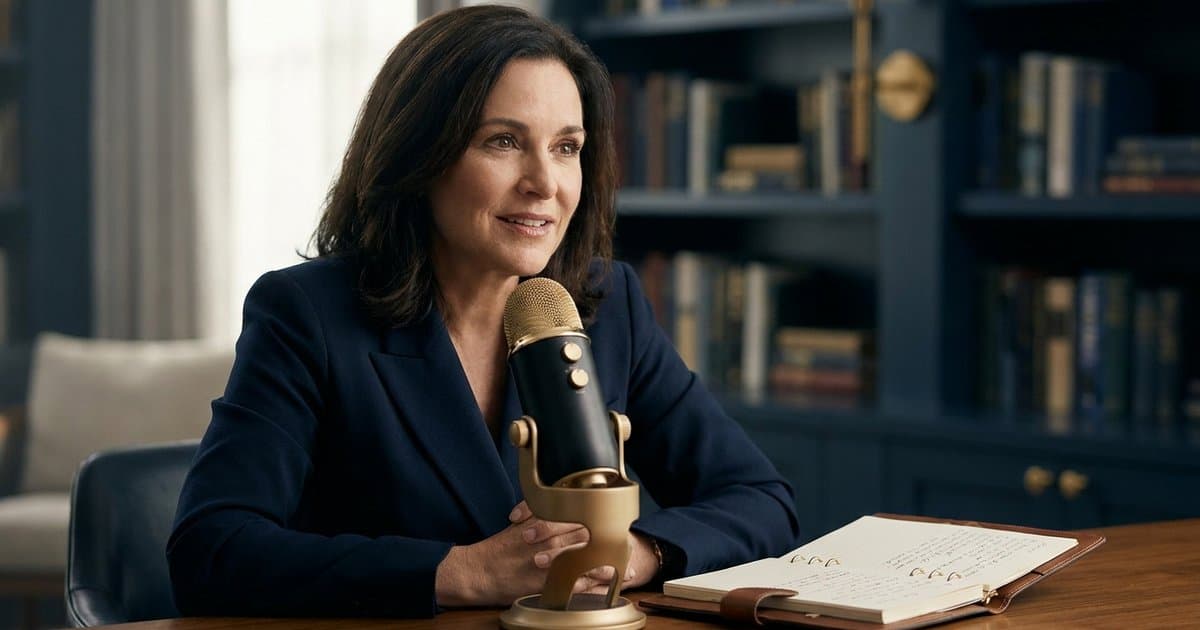
A memoir ghostwriter is a professional writer who captures your memories, voice, and perspective — then transforms them into a compelling, publishable book credited entirely to you. Whether you're a first-time author, a business leader, or someone who lived through something worth sharing, hiring the right ghostwriter is one of the most consequential decisions in the entire publishing process. This guide covers every dimension of that decision: what ghostwriting actually involves, what it costs, how the collaboration works, and how to evaluate your options honestly.
The ghostwriting industry is larger and more varied than most people realize. Academic research published in Learned Publishing and cited by scholars studying authorship practices confirms that ghost-authorship is widespread across publishing categories — from political memoirs to business books to personal narratives. Yet despite how common the practice is, the market for ghostwriting services remains opaque, with pricing, quality, and process varying enormously from one provider to the next. That opacity is exactly what this article is designed to cut through.
What a Memoir Ghostwriter Actually Does
A memoir ghostwriter conducts structured interviews with you, organizes your material into a coherent narrative arc, and writes a full manuscript in your voice — typically 50,000 to 80,000 words — that you own entirely and publish under your name. The ghostwriter's role is invisible by design.
It's worth being specific about the scope of that work, because it's easy to underestimate it. A professional memoir ghostwriter does not simply transcribe what you say. They perform a set of interrelated tasks that require skill, experience, and sustained effort over months:
- Voice development: Studying your existing writing, speech patterns, and personality to produce prose that sounds authentically like you — not like them.
- Interview design and facilitation: Asking the right questions to surface the scenes, emotions, and details that make memoir compelling rather than merely chronological.
- Narrative architecture: Structuring your story so it has dramatic momentum — a challenge most people cannot see in their own lives because they're too close to it.
- Drafting and revision: Writing multiple passes of the manuscript, incorporating your feedback at each stage.
- Research and fact-checking: Verifying dates, names, and contextual details where necessary.
The end product is a manuscript you can submit to a literary agent with a book proposal, pitch to publishers for an advance, or publish independently. What you don't get from a ghostwriter — unless separately contracted — is editing, cover design, distribution, or marketing. Understanding that boundary is important before you sign any agreement.
Ghostwriter vs. Co-Author vs. Editor: A Quick Distinction
A ghostwriter receives no public credit and typically signs a confidentiality agreement. A co-author shares the byline (common in celebrity memoirs where "with [name]" appears on the cover). A developmental editor works on a manuscript you've already drafted. These roles are sometimes confused, and some providers conflate them — so clarify exactly what you're purchasing before committing.
Memoir Ghostwriter Costs: What the Market Looks Like
Professional memoir ghostwriting typically costs between $30,000 and $100,000 for a full-length manuscript, with elite ghostwriters — those with major publisher credits or celebrity clients — charging $150,000 or more. AI-assisted ghostwriting services occupy a newer, lower cost tier without sacrificing the human judgment that memoir requires.
The wide range reflects real differences in experience, scope, and deliverables. Here is how the market breaks down in practice:
| Provider Type | Typical Cost Range | Manuscript Quality | Timeline | Best For |
|---|---|---|---|---|
| Freelance (entry-level) | $5,000–$20,000 | Variable; limited experience | 3–9 months | Short memoirs, limited budgets |
| Mid-tier ghostwriter (Reedsy) | $30,000–$60,000 | Solid; vetted professionals | 6–12 months | First-time authors seeking quality |
| Premium / agency (Scribe Media tier) | $75,000–$150,000+ | High; editorial support included | 9–18 months | Business leaders, platform builders |
| AI-assisted professional (Dictate) | Custom quote (book a call) | Professional; human-directed AI | Faster than traditional | Authors who want quality without the premium price tag |
Pricing structures also vary. Some ghostwriters charge per word (typically $0.50–$2.00 per word for memoir), some charge per hour ($75–$250/hr for experienced writers), and most established providers charge a flat project fee. Each structure has trade-offs: per-word pricing can incentivize length over quality; hourly pricing is hard to budget against; flat fees provide predictability but require a clear scope of work upfront.
What Drives the Price Up
Several factors push memoir ghostwriting costs toward the higher end of any tier:
- Complexity of source material: If your story spans decades, multiple countries, or requires substantial research into historical events, expect higher fees.
- Ghostwriter's publication track record: Writers who have placed books with major publishers command a premium — and often deliver it.
- Inclusion of a book proposal: A literary agent-ready book proposal (summary, sample chapters, market analysis, author bio) is often a separate deliverable that adds $5,000–$15,000 to the total.
- Rush timelines: Compressing a 12-month project into six months typically increases cost by 20–50%.
- Rights and confidentiality terms: More protective NDAs and full intellectual property transfers can affect negotiation.
For more detail on evaluating ghostwriting contracts and what to watch for when hiring, see our guide on how to hire a ghostwriter for a nonfiction book.
The Memoir Ghostwriting Process, Step by Step
A professional memoir ghostwriting engagement follows a predictable arc: discovery and scoping, structured interviews, outline approval, drafting in phases, and revision until the manuscript is final. Most full engagements take six to twelve months.
Understanding this process in advance makes you a better client — and helps you evaluate whether a prospective ghostwriter is operating professionally or cutting corners.
Phase 1: Discovery and Scoping
Before any writing begins, a reputable ghostwriter needs to understand your story, your goals, and your reader. Expect an initial consultation (often free) followed by a paid discovery phase where the ghostwriter reviews existing materials — journals, recordings, prior writing — and conducts preliminary interviews. This phase results in a creative brief or outline that both parties sign off on before drafting begins.
Phase 2: Structured Interviews
This is the engine of memoir ghostwriting. Most professional engagements involve 10–20 hours of recorded interviews over several weeks. A skilled ghostwriter asks layered questions — not just "what happened" but "what did you feel," "what did you believe at the time," "what do you know now that you didn't know then." The difference between a flat memoir and a gripping one often comes down entirely to the quality of these interviews.
At Dictate, the interview process is facilitated using AI-assisted prompting tools developed specifically to surface the kind of emotionally resonant detail that makes memoir memorable. The human editorial judgment, however, remains central throughout.
Phase 3: Outline and Structure
Before a single chapter is written, the ghostwriter delivers a detailed chapter-by-chapter outline. This is your opportunity to correct course before months of drafting begin. Approve this document carefully. A memoir that lacks structural integrity — a clear throughline, escalating stakes, a satisfying resolution — will not hold a reader's attention regardless of how well the individual sentences are written. If you want to understand the structural options available to you, our memoir structure template guide covers five proven shapes that work.
Phase 4: Drafting and Revision
Most ghostwriters deliver the manuscript in sections — commonly three to five batches — to allow for ongoing feedback rather than a single large revision at the end. Expect two to three rounds of revision per section. Final manuscript delivery typically includes a clean, formatted Word document and often a PDF.
Phase 5: Handoff and Next Steps
A ghostwritten manuscript is a starting point, not an endpoint. From there, you'll likely want professional copyediting, a book cover, and a publishing strategy. If you're pursuing traditional publishing, you'll need a literary agent, which requires a compelling book proposal. If you're self-publishing, you'll coordinate independently with a formatter, cover designer, and distributor. Your ghostwriter may or may not assist with these next steps — clarify this in your contract.
How to Evaluate a Memoir Ghostwriter
The single most important factor in choosing a memoir ghostwriter is demonstrated ability to write in someone else's voice across emotionally complex material — not general writing skill, not credentials, and not the size of the agency. Ask for memoir-specific samples and listen carefully during your initial consultation for evidence that this person genuinely understands narrative structure.
Here is a practical framework for evaluation:
- Request memoir-specific writing samples. A ghostwriter who has only written business books or press releases is not automatically qualified to write memoir. The emotional registers are fundamentally different.
- Assess voice range. Ask whether they can share samples from different clients. A writer who sounds the same in every project will make your memoir sound like them, not you.
- Clarify the interview process. A vague answer here is a red flag. Established ghostwriters have a defined methodology for how they extract your story.
- Review contract terms carefully. Who owns the copyright after delivery? What happens if the project stalls? Are revision rounds capped? These details matter. You can learn more about how intellectual property works in ghostwriting arrangements on our copyright page.
- Ask about their revision policy. An unlimited-revision guarantee sounds appealing but is often operationally meaningless. A clear, defined number of revision rounds (typically two to three per section) reflects a professional who has done this before.
Marketplaces vs. Dedicated Services
Platforms like Reedsy connect you with vetted freelance ghostwriters and provide a structured vetting process — a meaningful upgrade over general-purpose freelance marketplaces. Dedicated ghostwriting firms offer more project management and editorial oversight but typically at higher cost. AI-assisted services like Dictate's ghostwriting service offer a third path: professional human editorial direction combined with AI efficiency, which translates to faster timelines and more accessible pricing without sacrificing the quality a publishable memoir requires.
The right choice depends on your budget, timeline, and how much hands-on collaboration you want. There is no universally superior option — only the option that fits your specific situation.
The 7 Types of Memoirs (and Why It Matters for Hiring)
The seven most recognized memoir types are: coming-of-age, travel memoir, addiction and recovery, spiritual memoir, professional or career memoir, grief memoir, and slice-of-life (a focused account of one period or theme rather than a life overview). The type of memoir you're writing should directly inform who you hire.
A ghostwriter with deep experience in spiritual memoir may struggle with a high-stakes business narrative, and vice versa. When evaluating candidates, ask specifically whether they've written in your memoir category before. The thematic conventions, reader expectations, and structural approaches differ meaningfully across these types.
For example, a grief memoir typically builds toward acceptance rather than triumph — a ghostwriter who defaults to the hero's journey arc may mishandle the emotional pacing. A professional memoir, by contrast, often functions as a hybrid between memoir and thought leadership, closer to what you'd submit with a book proposal targeting a business publisher seeking an author with a platform and a clear advance potential. These distinctions are not trivial.
Research on ghost-authorship practices across professional and academic contexts — including work published examining the meaning of authorship — underscores how varied the ghostwriting relationship can be depending on the genre and purpose of the work. What constitutes legitimate collaboration in memoir is well-established: the named author's story, voice, and experiences are the substance of the book; the ghostwriter is the skilled craftsperson who shapes them.
Can ChatGPT Write Your Memoir?
ChatGPT and similar large language models can generate prose, but they cannot interview you, hold your story in sustained narrative memory, or make the editorial judgments that distinguish a compelling memoir from a flat one. They are tools, not collaborators — and memoir is a deeply relational form of writing.
The practical limitations are significant. A memoir requires 50,000–80,000 words of coherent, emotionally resonant narrative built from your specific memories, relationships, and inner life. A language model has no access to any of that material unless you manually supply it, which creates both practical friction and intellectual property concerns. It can also produce text that sounds generically "memoir-like" without capturing the idiosyncratic voice that makes your story distinctly yours.
That said, AI tools — used properly within a professional framework — can accelerate legitimate ghostwriting in meaningful ways: structuring interview transcripts, generating chapter summaries for review, drafting transitional passages for human editorial revision. This is the model Dictate uses: AI as a high-efficiency tool in the hands of experienced human writers, not as a replacement for the judgment, empathy, and craft that memoir demands. For a more detailed comparison, see our piece on ChatGPT vs. AI ghostwriting.
Frequently Asked Questions
What is a ghostwriter author?
A ghostwriter is a professional writer hired to create content — including books, speeches, or articles — that is officially credited to another person. In memoir ghostwriting, the ghostwriter conducts interviews, shapes the narrative, and writes the full manuscript, while the named author retains complete ownership and public credit. The arrangement is legal, widely practiced, and typically governed by a confidentiality agreement.
What are the 7 types of memoirs?
The seven most recognized memoir types are: coming-of-age memoir, travel memoir, addiction and recovery memoir, spiritual memoir, professional or career memoir, grief memoir, and slice-of-life memoir (a focused account of one defined period or theme). Each has distinct structural conventions and reader expectations, which is why matching your memoir type to a ghostwriter who has experience in that category matters.
How do I begin to write a memoir?
Begin by identifying the central question or tension your memoir will answer — not the full chronology of your life, but the specific story you need to tell and why it matters to a reader. From there, create a rough timeline of key events, identify the emotional arc (what you believed at the start vs. what you understood by the end), and draft a chapter outline before writing any prose. If you're working with a ghostwriter, this exploration happens through structured interviews rather than solo drafting.
Can ChatGPT be my ghostwriter?
ChatGPT can generate prose but cannot replace a professional memoir ghostwriter. It has no access to your memories, cannot conduct interviews, and lacks the sustained editorial judgment needed to shape 60,000+ words of coherent, emotionally resonant narrative. AI tools can support the ghostwriting process — organizing transcripts, drafting outlines — but they work best as tools within a professionally managed workflow, not as standalone replacements for human craft and collaboration.
Do I need to tell people I used a ghostwriter?
No. Ghostwriting is a legal and widely accepted practice across publishing. Your ghostwriter signs a confidentiality agreement, and you hold full copyright to the finished manuscript. There is no industry, legal, or ethical obligation to disclose the use of a ghostwriter on memoir, business, or personal books. The story is yours; the ghostwriter is simply the skilled writer who helped you tell it.
Ready to Tell Your Story?
A memoir is one of the most personal and lasting things you can create — a record of what you lived, what you learned, and what you want to pass forward. The right memoir ghostwriter makes the difference between a manuscript that sits in a drawer and one that reaches readers and endures.
Dictate's ghostwriting team combines professional human editorial direction with AI-assisted efficiency to deliver publishable memoirs faster and more accessibly than traditional ghostwriting firms. There are no published prices because every project is scoped individually — but engagements are typically a fraction of traditional ghostwriting fees, and payment plans and financing are available.
Watch My Free Training → Learn how Dictate turns your expertise into a published book.
]]>More Questions
Do I need to disclose that I used a memoir ghostwriter?
No. Ghostwriting is a legal and widely accepted publishing practice. Your ghostwriter signs a confidentiality agreement, and you hold full copyright. There is no legal or ethical obligation to disclose the use of a ghostwriter on a memoir or any other personal book.
Mike Giannulis
Founder of Dictate and author of Talk Your Book Into Existence.
Who is behind Dictate